Miss a flight, and you’ll probably ruin your day. Lose a major business deal or a chunk of money, and you might ruin your month. Fail two or three times at a big goal, and most of us will simply quit, convincing ourselves we just aren't "lucky" enough to succeed.
At fifteen years old, Aaron Phipps lost his legs, most of his fingers, and very nearly his life. And guess what? He didn’t quit.
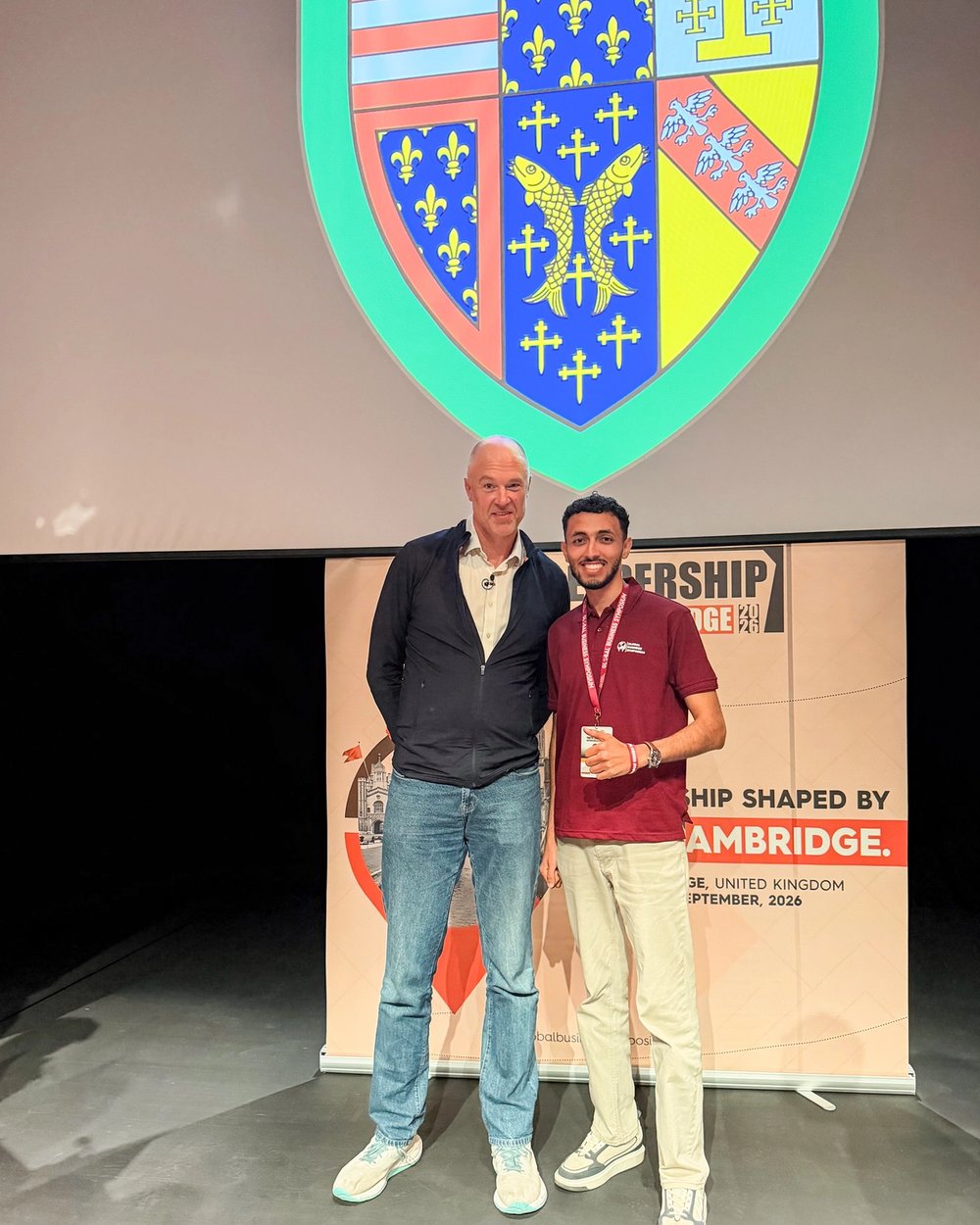
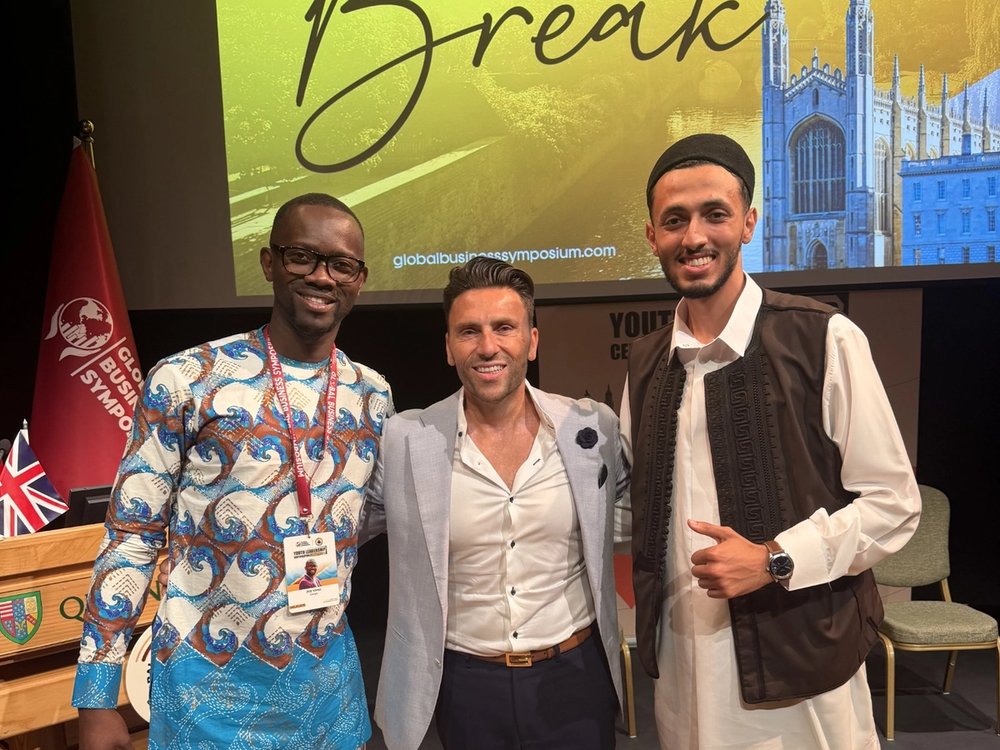
Sitting in the historic halls of Queens' College in Cambridge this past September, I thought I understood what it meant to face setbacks. Then I listened to Aaron speak, and every complaint I’ve ever had about my own bad luck suddenly felt embarrassingly small.
When a brutal strain of meningitis C ravaged his teenage body, Aaron spent an agonizing, terrifying year trapped in a hospital bed. He was handed the ultimate excuse to give up. The world would have completely understood—and even expected him—to stay down and let that tragedy define the rest of his life.
Instead, his story offered a heart-stopping truth: survival is only the beginning; living is a choice.
Aaron refused to mourn the body he lost and chose instead to weaponize the fierce spirit he kept. He threw himself into the bone-jarring arena of wheelchair rugby, fighting his way to the absolute pinnacle of the sport to become a Paralympic Gold medalist for Team GB.
Yet, it was his next chapter that completely shattered my perspective on what is humanly possible.
Aaron decided to climb Mount Kilimanjaro. Near the summit, the jagged, freezing terrain became utterly impassable. His specialized wheelchair—his only way forward—couldn't move another inch. He had the perfect excuse to turn around. He had already gone further than anyone expected, and no one would have blamed him for stopping.
Instead, he got out of the chair.
For four grueling days, he dropped into the dirt and dragged his body over sharp volcanic rocks on his bare hands and knees, pulling himself upward until he reached the absolute roof of Africa.
Listening to him, I felt a deep, piercing ache of realization. How often do we let minor inconveniences stop us cold? How many times do we blame our lack of luck when things get difficult, or fold after a deal falls through? Aaron left me with a raw, undeniable lesson: when the road disappears, and your vehicle fails, you do not turn back. You get down in the dirt, and you pull yourself forward with whatever you have left.
We spend so much of our lives building invisible cages around our potential, easily stopped by a minor failure or a missed opportunity. Aaron is breathing, triumphant proof that our limits are mostly a complete illusion.
The next time you fail and are tempted to call yourself unlucky, you have to ask yourself: are you willing to get out of the chair and crawl?